
Antibiotic "megacluster" discovery provides new strategy to fight superbugs
It's "an exciting advance in efforts to restock the antibiotic arsenal."
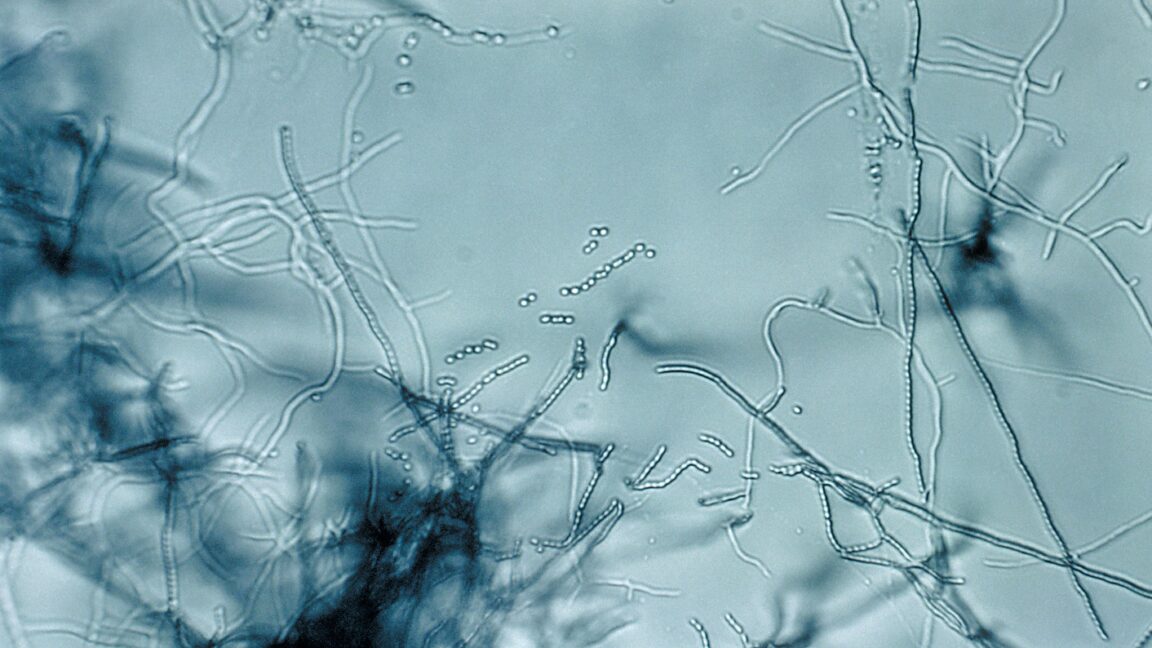
Antibiotic resistance has loomed over humans since the moment we started using antibiotics. In the 20th century, the drugs downgraded potentially life-threatening bacterial infections to mere inconveniences—a miracle of modern medicine, it seemed. But the drugs aren't really a human invention; we mostly swiped them from microbes, which have been locked in an arms race with each other for centuries. Microbial evolution has crafted both deadly molecules and clever tricks to dodge death as the wee organisms endlessly battle over turf and resources. More than 80 percent of the antibiotics used in clinics today are based on those turf-war weapons, which scientists refer to as "natural products."
For decades, humans mined antibiotic molecules from microbes and tweaked them to develop new drugs, staying ahead of evolution's cunning countermeasures. But in recent times, new natural products have been harder to find, and the pipeline of new antibiotics has slowed to a trickle. Meanwhile, existing antibiotics have been overused, and resistance has mounted to critical levels. Most antibiotics are single bioactive molecules, and some can be thwarted with single mutations. While the current situation is dire, a study in Nature this week reports a compelling discovery that not only points to a potentially new antibiotic regimen, but also an entirely new strategy to once again get ahead in the microbial arms race.
Exciting find
The study, led by biomedical researcher Eric Brown at McMaster University in Ontario, Canada, reports the discovery of a large block of genes—dubbed a "megacluster"—that codes for four molecules that appear to work in concert to derail a single essential metabolic pathway.